Why Do Professionals Choose to Build Sustainable Businesses?
Many professionals are rethinking what success really means. Corporate careers often promise high pay and recognition, but the personal cost can be overwhelming. Long hours, constant pressure, and little time for rest leave many questioning if this path is worth the sacrifice.
More people now want work that earns money and supports health, purpose, and long-term stability. This growing interest has opened the door for a new focus: how to build sustainable businesses that balance profit with impact.
Rachel Bernier-Green has dedicated her career to guiding this shift. She is a social entrepreneur, activist, and founder of EJ Consortium, a firm that helps purpose-driven businesses grow with both structure and vision.
Her team works across the United States and globally, with members in Venezuela, Jamaica, and Nigeria. She offers step-by-step support in finance, operations, and community wealth building through programs like B.R.I.D.G.E. (Business Resilience & Impact Development Group for Entrepreneurs).
Her work is practical and grounded, showing leaders how to design systems that last, price their work fairly, and protect their health while building impact.
With a background in Big Four accounting and experience leading a mission-based bakery, she brings expertise and lived lessons to her practice.
In this article, we will examine why professionals step away from corporate life, how purpose and profit can work together, and what strategies help create lasting businesses.
You will learn about defining impact, avoiding common mistakes, valuing yourself, and adopting approaches that help companies grow while making a difference.
Why Professionals Leave Corporate Careers to Build Sustainable Businesses
Leaving corporate life often comes down to health and well-being. High-pressure jobs demand long hours, tight deadlines, and constant availability.
Working more than 100 hours a week is normal at many top firms. Some employees even spend nights at their desks with only a short rest. Over time, this pace becomes too much to carry.
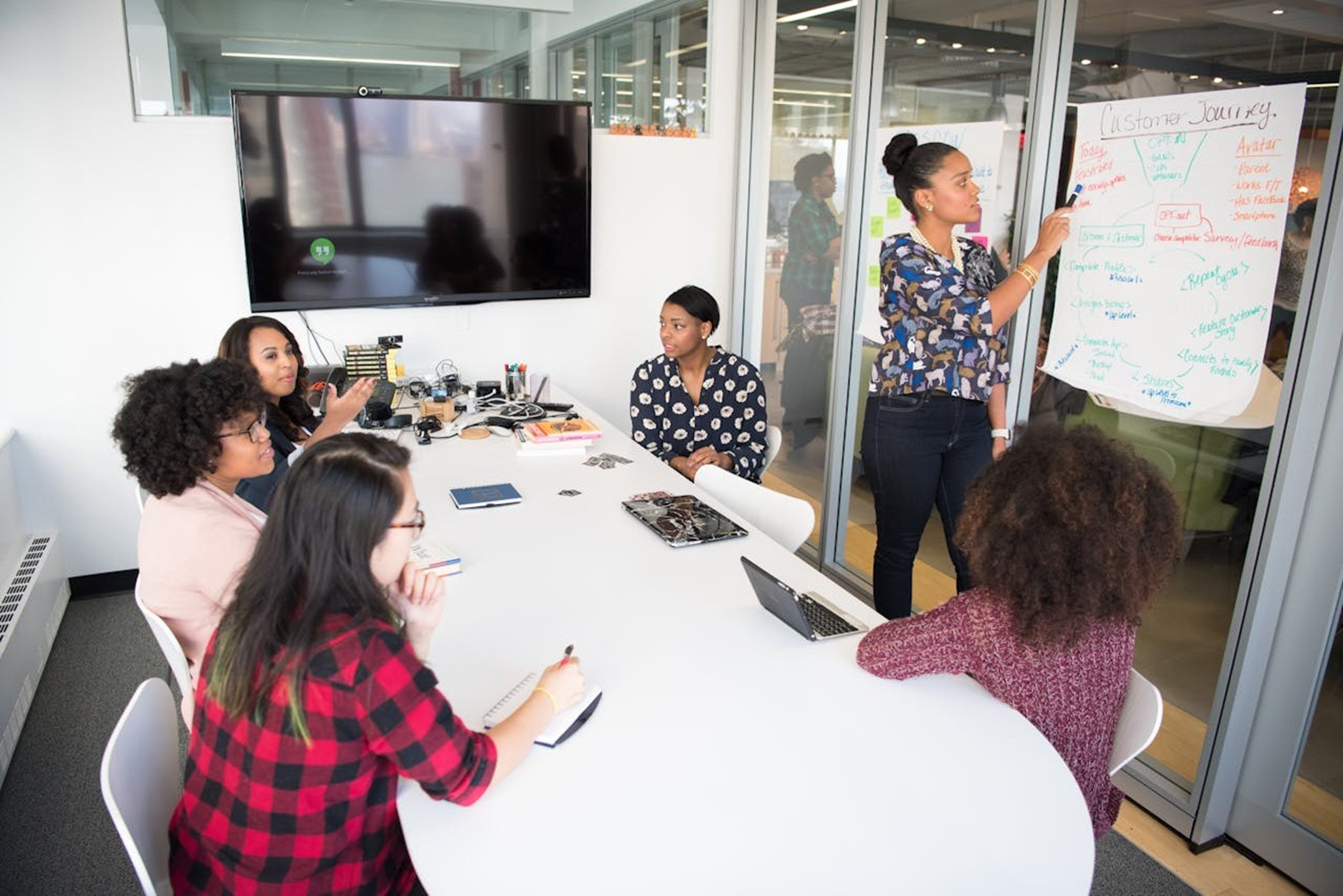
Photo by Christina Morillo on Pexels
The Hidden Cost of Success
Corporate roles may offer status and good pay, but the personal cost is high. Stress builds quickly and shows up in clear ways:
Constant fatigue and lack of proper rest
Joint pain or other recurring health issues
Greater risk of long-term illness caused by burnout
When work begins to affect health, continuing down the same path no longer makes sense.
Turning Stress Into Opportunity to Build Sustainable Businesses
To manage pressure, many people turn to hobbies as an outlet. Activities like baking, art, or writing help them release stress. What starts as a simple hobby can turn into something bigger.
For instance, testing a product at a small pop-up event can spark interest and reveal that a passion has real value in the market.
When Change Becomes Inevitable
The shift often happens when two forces meet: health concerns and early business success. Medical leave or illness forces people to pause and rethink.
At the same time, a hobby that gains traction offers a new option. This combination makes it easier to step away from corporate life.
In the end, leaving is not only about escaping stress. It is also about choosing a career that supports health, personal growth, and freedom. Entrepreneurship offers the chance to create work on sustainable and fulfilling terms.
How to Go Beyond Profit to Build Sustainable Businesses
Business can be more than profit. Many companies now aim to earn money while also improving lives. This approach, known as social entrepreneurship, brings purpose into everyday business.

Photo by Tima Miroshnichenko on Pexels
What Social Entrepreneurship Looks Like
A social enterprise makes money but also serves a mission. That mission might mean:
Creating good jobs in communities with fewer chances
Sharing ownership with employees
Giving part of the profits to social or environmental causes
Each choice shows that profit and impact can grow together.
Why Purpose Matters to Build Sustainable Businesses
When a business creates jobs or teaches skills, it pays more than wages. It changes futures. People given real chances often take them. They work, grow, and support families. A strong business can shift whole communities by offering stability and opportunity.
Why Profit Still Counts
Purpose alone is not enough. A mission-driven business must also stay strong and profitable. If it closes, the loss spreads to workers and communities. To keep impact alive, businesses need:
Clear financial systems
Reliable operations
Long-term plans for growth
These basics give stability and help the mission last.
Helping Purpose-Driven Founders
Not every founder enjoys finance or operations, yet both are key to success. Support in these areas allows entrepreneurs to focus on their mission. With proper systems, their ideas stand a much better chance of lasting.
In the end, business works best when it combines profit with purpose. Companies that plan well and stay strong can do more than earn. They can create lasting change for people and communities.
How Businesses Define Impact to Build Sustainable Businesses?
Building a business with purpose starts with knowing your values. You do not need a full impact plan at the beginning. What matters is aligning your goals with your values and shaping your business to support profit and purpose.

Photo by RDNE Stock project on Pexels
Defining Your Impact
The first step is to look at what matters most to you. Once values are clear, you can shape your business around them.
This could mean adjusting operations to match long-term goals, exploring employee ownership to build stability, or finding ways to add social or environmental impact. Taking these steps helps create a business that thrives while making a difference.
Practical Strategies for Long-Term Success
Finance and operations: Strong systems give stability and reduce chaos. They also help the business grow with confidence.
Community impact: Aligning goals with a social mission ensures the business supports people and communities, not just profit.
Sustainability: Long-term planning keeps the business steady and ensures impact lasts into the future.
One example is the Employee Stock Ownership Plan (ESOP). This model allows owners to sell to employees, creating stability and passing on ownership while gaining tax benefits. Employee-owned companies often last longer and perform better, making this a strong option for succession.
Avoiding Scaling Mistakes
A common mistake is saying yes to every offer. Many owners take on projects outside their vision when chasing revenue. Over time, they lose focus and feel stuck doing work they never wanted. The solution is clear: know your purpose, hold to your vision, and say no when needed.
Lasting growth comes from focus and clarity. A business built on values, supported by strong systems, and guided by long-term vision can thrive while creating real impact.
How Entrepreneurs Value Themselves to Build Sustainable Businesses
A common mistake in business is failing to value yourself. Many entrepreneurs push their limits, chasing growth at the cost of their health. Others set prices too low and struggle to cover costs. Both mistakes weaken the business and the person behind it.

Photo by Thirdman on Pexels
Health and Well-Being Come First
Hustle culture often promotes the idea that rest must be earned. This belief leads to burnout and poor judgment. Science shows we do our best work when rested. A business cannot thrive if the owner is exhausted. Building habits that protect health, such as proper rest and boundaries, is essential for long-term success.
The Problem of Poor Pricing
Pricing too low is another way entrepreneurs undervalue themselves. They often forget to include their time and effort in the price. Selling more will not fix this gap. Prices must support the vision of the business while also ensuring the owner gets paid fairly. Without this balance, the business cannot grow.
A Holistic View of Success
Real success is more than strong revenue. It includes:
Financial strength
Personal wellness
Positive community impact
The owner’s financial security
The model is broken if a business appears profitable, but the entrepreneur is not earning enough to live. The numbers must work for both the business and the person running it.
First Steps Toward Change to Build Sustainable Businesses
A simple first step is to assess where you are today. Ask yourself if your pricing matches your goals and whether your business supports your well-being. Small adjustments in these areas can create a strong base for growth. In the end, valuing yourself is not separate from running a business. It is the foundation that allows both you and your business to succeed.
Conclusion
Building a business is not only about money. It is also about health, purpose, and lasting growth. Many professionals leave corporate life when stress and long hours become too heavy. They often discover that a small hobby can grow into meaningful work when given the chance.
To build sustainable businesses, leaders must value both themselves and their time. Protecting health, setting fair prices, and keeping clear boundaries are not extras. They are central to success.
Without them, even strong ideas lose strength. Profit must remain steady because it gives life to purpose. At the same time, purpose gives direction and ensures the business makes a positive mark.
Moreover, success is not only about sales or revenue. It also includes personal wellness, financial security, and community impact. When these pieces work together, a business strengthens and supports more than just the owner. That said, focus and discipline are key. Saying no to work that does not fit the vision is just as important as saying yes to the right chance.
In the end, building with care and intention creates businesses that last. With strong systems, clear values, and a balanced view of success, entrepreneurs can grow companies that thrive while making life better for others.
FAQs
Why do many people want to build sustainable businesses today?
People see that profit alone is not enough. They want work that protects health, creates security, and improves lives alongside financial success.
How can technology help to build sustainable businesses?
Simple tools like cloud accounting, project management apps, and digital payment systems reduce chaos. They save time, lower costs, and make growth easier.
What role does community play when you build sustainable businesses?
Communities provide support, trust, and long-term stability. When businesses give back, they earn loyalty and help create stronger local economies.
Can small startups also build sustainable businesses?
Yes, even a small startup can begin with values, fair pricing, and clear systems. These early choices set the path for steady growth.
Why is succession planning important to build sustainable businesses?
Without a plan, businesses risk closing when leaders step away. Models like employee ownership protect jobs and keep the company thriving.